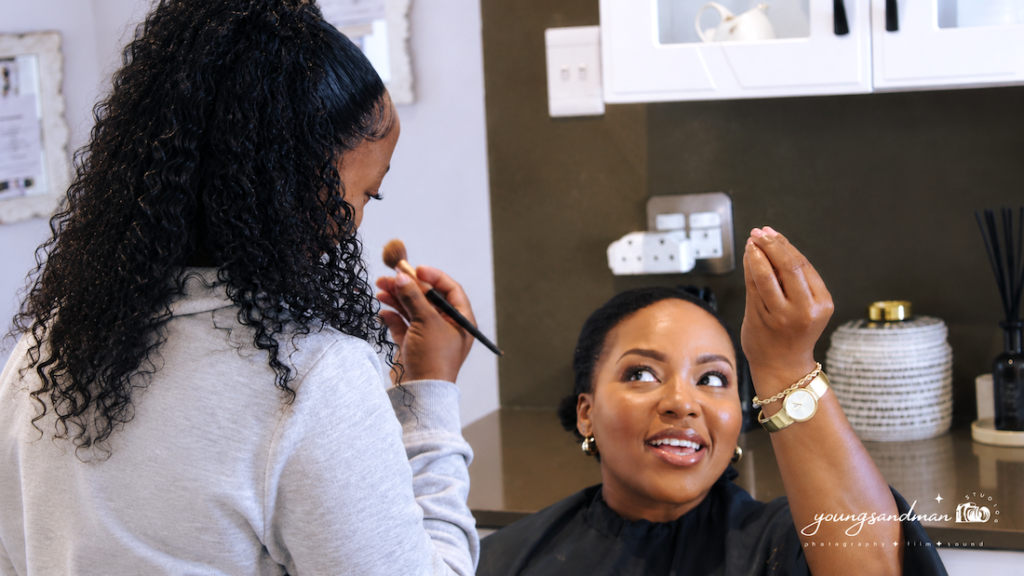
“A woman’s biggest downfall is another woman.”
How many times have we heard this?
And perhaps more importantly, how many times have we said it ourselves?
I know I have.
It is one of those statements we have repeated so often that we barely interrogate what we are actually saying anymore. Women are jealous of one another. Women compete. Women cannot be trusted. Women tear other women down. You know how it goes.
And somewhere along the way, many of us drank the Kool-Aid.
We accepted this idea that other women are somehow our natural adversaries, and the older I become, and the more I examine my own relationship with womanhood, the more I think this may be one of the greatest lies we have ever been taught about ourselves.
Because who actually benefits when women fundamentally distrust other women?
Certainly not women.
What are we really saying about women?
This is the part I have been thinking about perhaps more than anything else.
When I say that women are inherently jealous, unreliable, competitive, malicious or unsafe, I am not simply talking about a woman who has hurt me. I am participating in creating a collective value system around women.
And I am one.
That is the contradiction.
It doesn’t matter how highly I think of myself individually if, collectively, I have decided that women cannot be trusted, cannot support one another, cannot genuinely celebrate one another and ultimately cannot depend on one another. I have still contributed towards establishing what I believe the value and character of women to be.
How then do I separate myself from the womanhood I distrust in everybody else?
How do I insist that I am worthy of compassion, grace, understanding and complexity while reducing another woman to the worst thing she has ever done? How do we ask the world to value women while simultaneously teaching one another, and the generations of girls coming behind us, that women cannot even rely upon each other?
And perhaps this is the question I have found most uncomfortable: how can I say that I love myself as a woman while carrying contempt for women?
I don’t think I can.
I had to recognise this in myself
There was a time when I would quite comfortably say, “I don’t really befriend women. I’ve always felt safer with men.”
And I genuinely believed that was simply something about me. A preference. Perhaps even something experience had taught me.
Because, of course, I had evidence.
Most of us do.
We can point towards the friendship that ended badly, the woman who betrayed us, the mother who wounded us, the sister who didn’t protect us, the colleague who competed with us, or perhaps the woman who knowingly participated in something that caused enormous damage in our lives.
There is usually a story behind the belief.
But I think this is also how our beliefs become so convincing. We collect the evidence that confirms them without necessarily asking ourselves whether the conclusion we have drawn from that evidence is fair.
Over the years, as I have worked on myself and particularly on my relationship with being a woman, I have had to recognise that my statement about feeling safer with men wasn’t necessarily evidence that men were safer.
There was a feminine wound underneath it.
And perhaps part of healing that wound required me to stop looking only at what individual women had done to me and begin asking what I had been taught to believe about women in the first place.
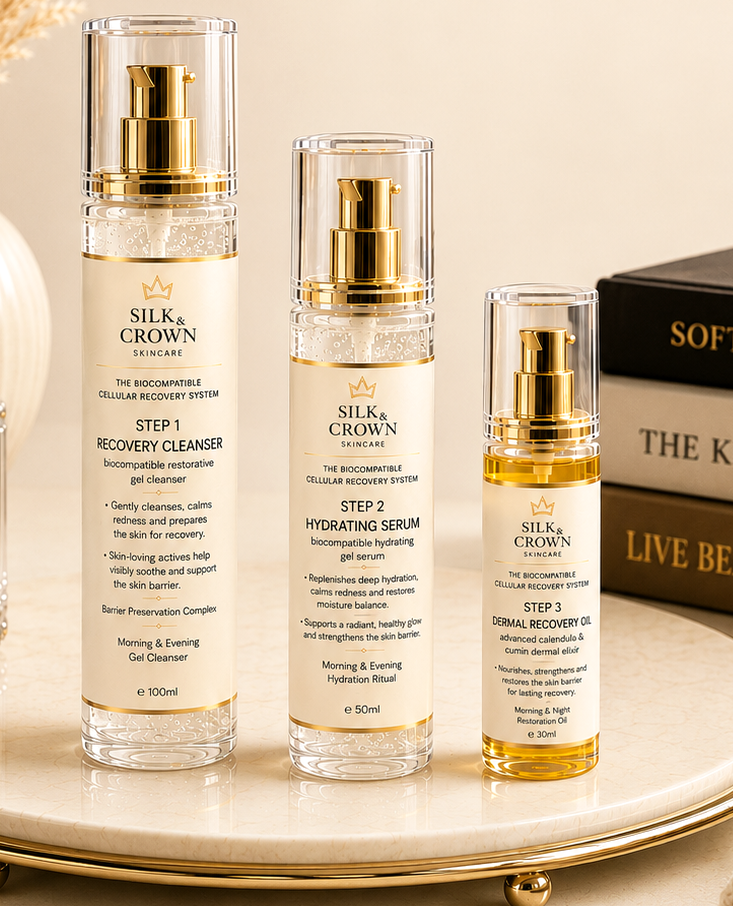
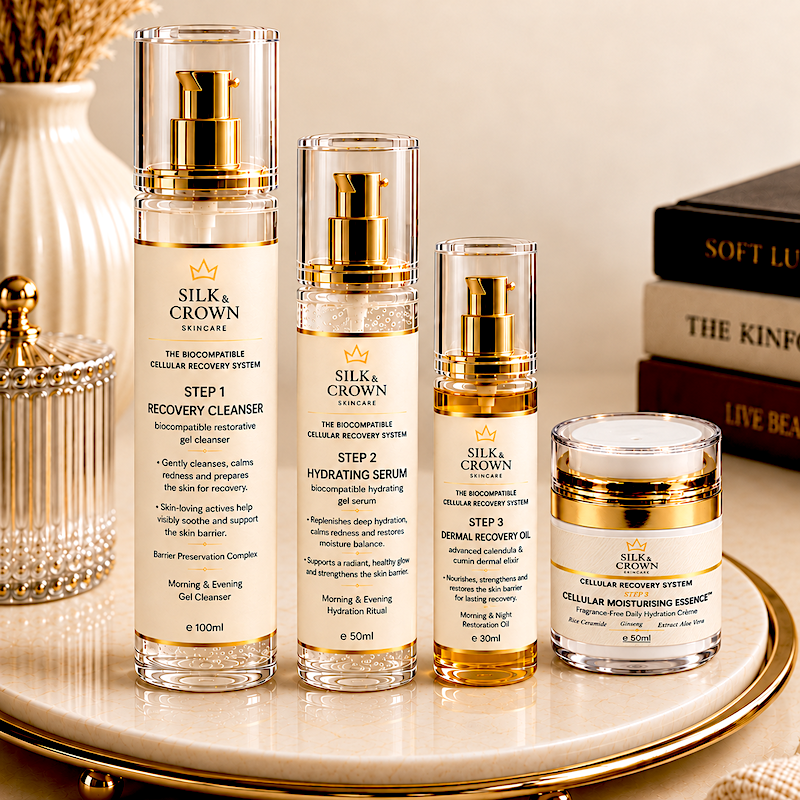
A CELLULAR RECOVERY & GLOW RITUAL: 3-step
3-Step Barrier-Supporting Facial Ritual
BEST SUITED TO
Normal, combination or oil-prone skin, as well as dehydrated skin that feels dull or looks uneven but is not persistently dry, tight or depleted.
This doesn’t mean women don’t hurt women
Of course they do.
I don’t want to romanticise sisterhood because then we are simply replacing one dishonest story with another.
Women can hurt other women deeply. Many of us carry wounds inflicted by our mothers. We have experienced betrayal in female friendships. We have encountered women who are competitive, cruel, manipulative or willing to participate in something they know will cause another woman harm.
I have my own experience of this.
I have experienced a woman working very deliberately towards an outcome that caused tremendous harm in my life. I can acknowledge what she did and still hold another truth alongside it: she could not have done what she did without permission. Permission was granted.
And strangely, understanding that has allowed me to offer her a kind of grace that I don’t think I could have offered years ago.
Not absolution. Grace.
Because I can recognise that her willingness to participate was also indicative, to me, of male-centredness. Perhaps she had not yet learned what I myself had not always known — what it means to value yourself as a woman in a way that also changes how you value another woman.
That doesn’t remove accountability.
And loving women certainly doesn’t mean allowing every woman access to you. Compassion doesn’t require the abandonment of boundaries, and understanding somebody’s wounds doesn’t mean volunteering to become the place where she acts them out.
But there is an enormous difference between saying, “This woman hurt me,” and deciding, “Women cannot be trusted.”
One holds an individual woman accountable for her choices. The other turns her choices into evidence against all of us.
Including ourselves.
The male-centred woman didn’t create herself
This is something else I think we have to be willing to talk about.
There are women who have learned to measure their value through male approval. There are women who will protect men at the expense of other women, who will demand accountability from a woman that they would never demand from a man, or who will excuse behaviour in sons, husbands, partners and brothers that they would condemn immediately in daughters and other women.
We know these women exist.
Some of us were raised by them.
And some of us, if we are willing to be completely truthful with ourselves, have probably been her at some point too.
But these days I find myself asking: who taught her?
Who taught her that male approval was more valuable than solidarity with another woman? Who taught her that the woman was the competition? Who taught her to extend endless understanding in one direction while withholding it almost entirely in the other?
And then, who taught the woman who taught her?
When I follow that thread backwards, I don’t see one terrible woman at the beginning of it. I see generations.
I see women who were raised and groomed and nurtured by women carrying many of the same beliefs, who themselves had been raised by women carrying those beliefs. And suddenly what we sometimes call the mother wound or the feminine wound becomes much bigger than our relationship with one particular woman.
It becomes an inherited understanding of womanhood.
If we never interrogate it, we simply hand it over to the next generation and eventually nobody remembers where the belief came from.
We just call it the truth.
And who does that serve?
I cannot separate this conversation from patriarchy because a system that already disadvantages women has absolutely nothing to lose from women distrusting one another.
If anything, it benefits.
If I already believe another woman is my natural competitor, if I am suspicious of her, if her success makes me feel diminished, if male validation becomes something we compete for and if I have already accepted that women cannot be relied upon to stand for women, then the work of dividing us has already been done.
We are doing it ourselves.
And that is why I find the statement “a woman’s biggest downfall is another woman” so troubling now.
Nobody has to convince us to repeat it anymore. We repeat it ourselves, and then we hand it down to younger women as wisdom.
I used to participate in versions of this myself. I could say that I preferred the company of men and that women were somehow more difficult, and I didn’t hear what I now hear underneath those words.
Now I hear the wound.
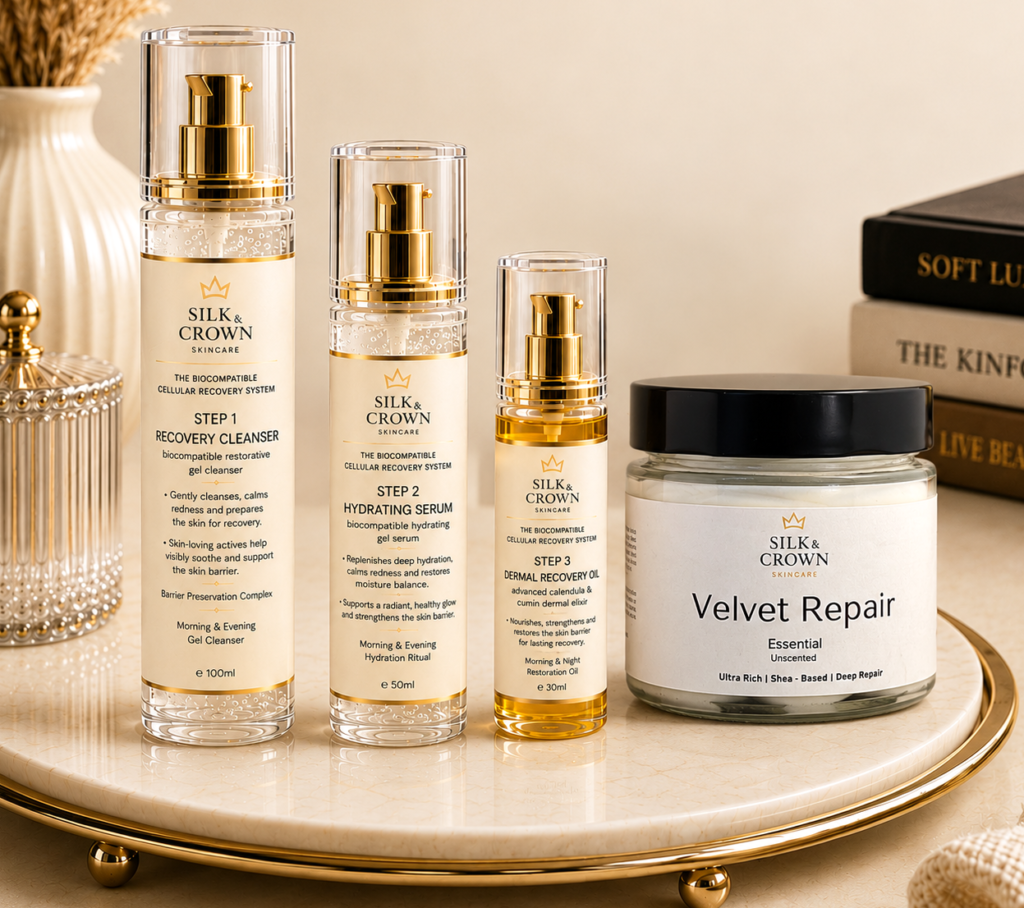
BODY BUTTERS & OILS
Rich, velvety body moisturisers created to soften dry, rough-feeling skin and support lasting nourishment. Explore fragrance-free and beautifully scented options for everyday moisture or more intensive body care.
And then women surprised me
One of the most unexpected places I have seen my own healing reflected back to me has been through building Silk & Crown.
Because the overwhelming majority of the people supporting what I am building are women.
Women buy from me, and then come back. They recommend my work to their friends. They share something I have written or something I have created. They send me messages encouraging me. They tell other women about my products. There are women I have never met who have decided, for no reason other than generosity and connection, that they would like to see this thing I am building flourish.
And I don’t take that lightly.
Perhaps because I remember being the woman who once said she didn’t really befriend women.
There are so many ways of loving on another woman, and I think I understand that now in a way I couldn’t have understood it before.
It doesn’t only happen in our closest friendships. Sometimes another woman loves on you by speaking well of you in a room you are not in. Sometimes she recommends your work, celebrates something beautiful happening in your life, protects your dignity when gossip would have been easier, tells you an uncomfortable truth because she wants better for you, or simply allows your light to exist without interpreting it as evidence that hers has somehow become dimmer.
I think I notice these things now because my relationship with women has changed as my relationship with myself has changed.
I don’t believe those two things are unrelated.
Loving the woman in ourselves and the woman in another
This is probably where my opinion becomes absolute, and I am comfortable with that.
I don’t see how we can truly say we love ourselves as women while fundamentally holding women in contempt.
I don’t mean that we must like every woman. I don’t.
I don’t mean that every woman deserves friendship, intimacy or access to our lives. She doesn’t.
And I certainly don’t believe being a woman should exempt anyone from accountability.
What I mean is that I cannot demand that the world recognise my humanity as a woman while refusing to recognise the humanity of women collectively.
There is something about the way we see other women that, for me, is intimately connected to the way we see the woman within ourselves.
Perhaps this is why healing my own feminine wound has changed the way I experience other women. I am less interested in asking whether a woman is like me and more interested in remembering that there are parts of this experience that we understand in one another simply because we have both had to navigate the world as women.
Our lives may be completely different. Our personalities, circumstances, values and choices may have almost nothing in common. But we carry some of the same vulnerabilities. We have encountered some of the same expectations. We know something about what it means to have our bodies, our choices, our ageing, our sexuality, our motherhood or lack thereof, our ambition, our voices and even our appearance constantly assigned meaning.
And so when I extend grace to another woman, when I refuse to reduce her to the worst thing she has done, when I allow her complexity while still holding her accountable, I think I am also practising something I have had to learn to give myself.
That, to me, is part of loving women.
So this is my challenge for the last quarter of this year
As we move into the final quarter of this year, I want to challenge you to spend some time thinking about what it actually means to love you.
Listen to the conversations you have with yourself, particularly the ones nobody else hears. Notice what you believe about yourself as a woman and where those beliefs came from. And somewhere in that process, begin paying attention to what happens inside you in relation to other women.
What happens when another woman is beautiful? When she is successful? When she is celebrated, loved, confident, wealthy, ambitious, outspoken or simply flourishing?
What happens when a woman disappoints you? Do you allow her to be one flawed human being who disappointed you, or does something in you immediately reach for everything you have ever been taught about women?
And perhaps ask yourself what it might look like to love the women around you as an extension of learning to love yourself.
I deeply believe that if we do not learn to love ourselves, it becomes incredibly difficult to genuinely love other women. But I also believe the reverse is true: if we fundamentally dislike, distrust and devalue women, then at some point we have to ask ourselves what that says about the woman we meet in the mirror every morning.
Because there is something extraordinary about being loved by another woman.
And I don’t mean romantic love. I mean the experience of another woman seeing you, understanding something of you, championing you and genuinely wanting good things for you without believing that your abundance takes anything away from hers.
There is something very particular about that love because there is recognition within it.
We know something of one another.
And perhaps that is why I have come to feel so strongly that loving another woman can, in some strange and beautiful way, feel like loving yourself. Not because we are all the same, and certainly not because womanhood automatically makes us good to one another, but because there is something familiar there. Something reflected.
So perhaps part of healing the feminine wound is learning to look at another woman and not automatically search for the threat, the competition or the reason not to trust her.
Perhaps it is learning to recognise the woman standing there, in all of her complexity, while remembering the woman standing here too.
And maybe the greatest rebellion was never becoming the woman who needs no other women.
Maybe it is becoming the woman who has learned to love herself deeply enough that she has room to love women too.
And then, perhaps most importantly, raising another generation of women who never have to unlearn the lie that we were each other’s downfall in the first place.
On sale products
-
A CELLULAR RECOVERY & FORTIFY RITUAL – 4-Step Day & Night
Original price was: R1 528,00.R1 348,00Current price is: R1 348,00. -
A CELLULAR RECOVERY & GLOW RITUAL: 3-step
Price range: R249,00 through R899,00 -
A CELLULAR RECOVERY & NOURISH RITUAL: 4-step
Price range: R199,00 through R1 078,00 -
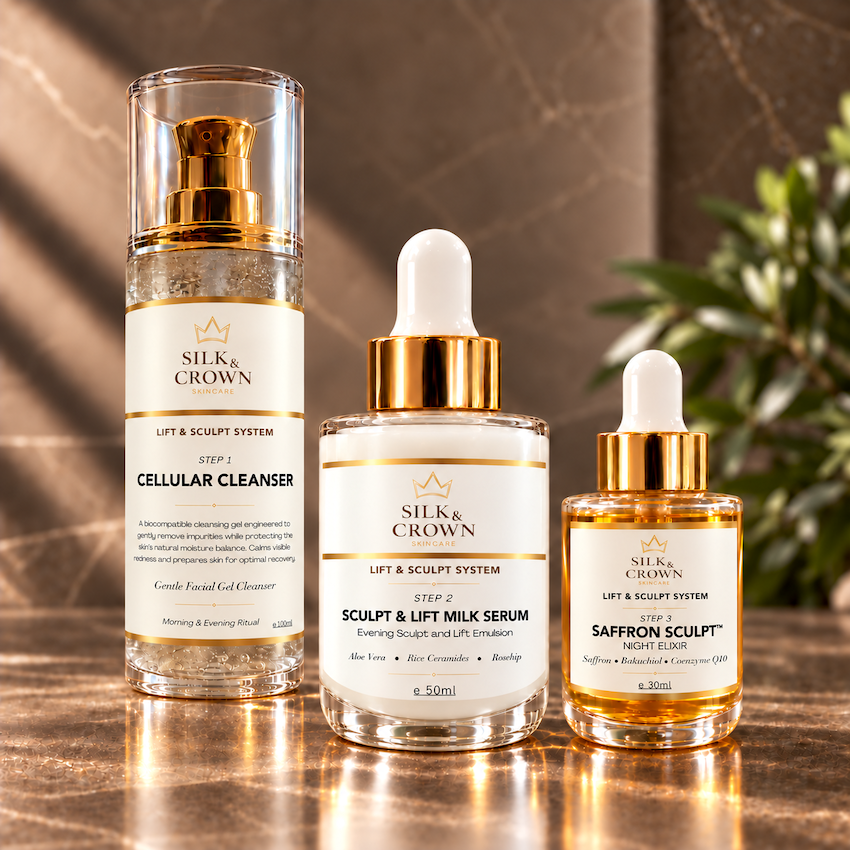
A SCULPT & LIFT™ RITUAL — 3-Step Evening
Price range: R249,00 through R1 329,00 -
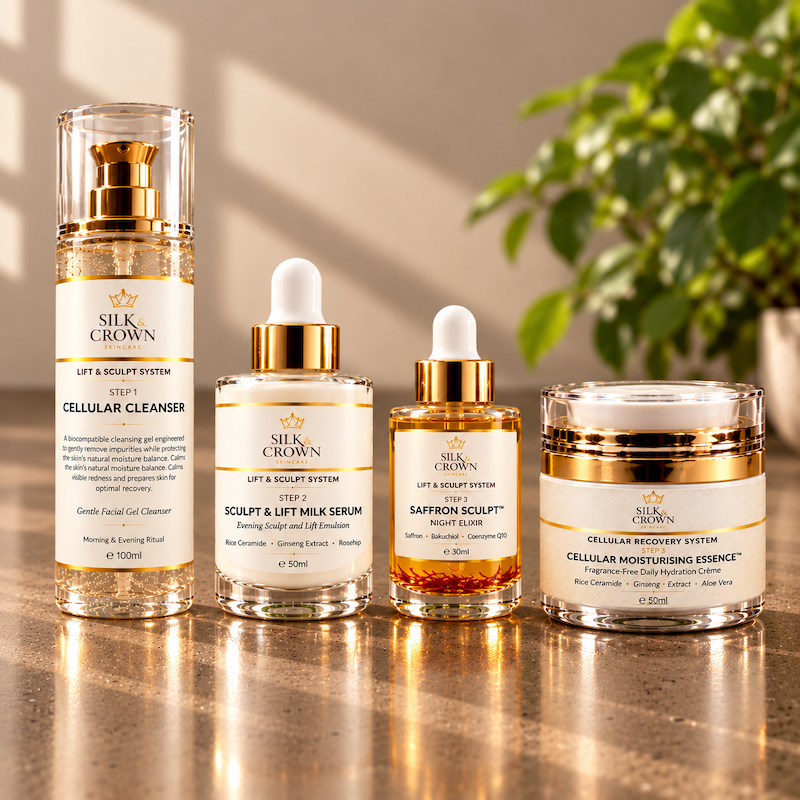
A SCULPT, LIFT & RESTORE™ RITUAL: 4-Step Day & Night
Original price was: R1 856,00.R1 599,00Current price is: R1 599,00.